Man With Van in Ruislip

Man With Van in Ruislip gives households and businesses a practical way to move furniture, boxes and mixed loads with less disruption than a full-scale removal. The service is well suited to local jobs where access, timing and careful handling matter just as much as transport. We keep the approach straightforward: collect, load, secure, carry and unload in a way that matches the items being moved and the space available.
It can suit flat moves, single-room clearances, part-load transport and the movement of larger purchases that will not fit into an ordinary car. Our aim is to provide a dependable man and van option for customers who want a flexible removal vehicle without unnecessary extras. If you need a clearer view of what is included, take a look at our man and van service and the wider removal services pages.
For a quotation, it helps to share what needs moving, where it needs to go and any access issues that may affect loading or unloading. If your move includes fragile items, awkward stairs or bulky furniture, these details let us plan the work properly. You can also request a quote once you are ready to compare the options.
Everyday home removals and smaller moves
Many customers use a man with van service for home removals that are too large for a quick self-drive trip but do not need a full lorry and crew. That might mean a studio flat, a shared house, a single bedroom, or several rooms’ worth of furniture and cartons moved in one organised journey. The benefit is scale: you can choose a vehicle size and loading plan that fits the job rather than paying for capacity you will not use.
We can help with common domestic items such as beds, wardrobes, chests of drawers, sofas, dining sets, white goods and packed personal belongings. When items need careful positioning, the order of loading matters as much as the route. Heavier pieces are usually loaded first, with lighter boxes and softer items arranged to reduce movement in transit. For customers comparing different domestic options, the home moves and house removals pages give a broader picture of the type of work a move may involve.
If you are preparing for a domestic move, a simple inventory is often enough to get started. A written list of the main items, plus notes on parking, lift access and any items that need dismantling, helps create a more accurate quotation. Clear information at the outset usually makes the move easier to organise, especially when access is tight or there are several collection points.
Furniture transport, single items and careful loading

Not every job is a full house move. A van and driver service is often used for a single sofa, a dining table, a bed frame, a wardrobe or one or two larger pieces bought privately or from a retailer. The main requirement is safe handling: protecting surfaces, keeping items upright where needed and making sure each piece is tied down appropriately once inside the vehicle. That reduces the chance of movement and scuffing during transit.
Furniture pick-ups can also include mixed contents from a sale, storage unit or inherited property, where the load needs sorting before it is carried. In those cases, the work is not simply about transport; it is also about deciding what should be kept separate, what should be wrapped, and how the load should be arranged for efficient unloading. If you need more detail on this type of work, the furniture pick-up page is a useful place to start.
When only one or two items need moving, it is worth measuring the larger pieces and checking the collection and delivery points before booking. Narrow hallways, stairs, shared entrances and parking restrictions can all affect the time needed to complete the job. Please send these details with your enquiry so the quotation reflects the actual work, not just the distance travelled.
House moves, flat moves and part-load journeys
House moves are often simpler than people expect when the load is planned carefully. A man with van approach works well for part-load removals where a customer only needs help with selected rooms, overflow items or the contents of a property that has already been partly packed. This can be particularly useful when you are moving in stages, combining decluttering with transport, or shifting items from a larger home into storage.
For some moves, the important question is not how many rooms are involved, but how the journey is organised. One trip may be enough for a compact load, while another move may benefit from separating fragile belongings from heavier furniture. Where the items are mixed, the packing order and the van layout become part of the service. Our house movers and house removalists pages describe related domestic moving options.
It is usually best to be realistic about access, packing status and the amount of dismantling needed before you ask for a price. If the job involves multiple floors, parking permits or difficult turning space, those details should be included from the start. That gives you a quote that is easier to compare and a moving plan that better matches the day itself.
Office relocation support and business transport

Businesses use man and van removals for a wide range of smaller commercial jobs: desks, chairs, filing cabinets, boxed records, shop fittings, stock transfers and equipment moves between premises. The emphasis is on reducing interruption and keeping the work organised, especially when items need to be moved outside normal trading hours or between shared buildings. A van-based move can be a practical choice where the load is important but not large enough to justify a full commercial fleet.
Office relocation work often needs a little more structure than a domestic move. The team may need to move IT equipment separately, keep documents grouped by department, or follow a floor-by-floor plan to avoid confusion at the destination. For a broader overview of this type of work, see the office removals and office relocation services pages. They sit alongside the same core transport approach while giving a clearer view of business moving needs.
If your move includes sensitive items, fragile screens or locked storage, list them clearly when you enquire. A good quotation depends on what is being moved, how it is packed and whether access involves stairs, lifts or limited parking. If you need to compare options, keep the details consistent across suppliers so the responses are easier to assess.
What affects a removal quote
Quotations for van-based removals are usually shaped by the amount of space required, the distance travelled and the level of handling involved. A straightforward item collection may be priced very differently from a property move that needs extra loading time, dismantling, careful wrapping or a second stop. The best way to keep the quote useful is to describe the load honestly, including anything awkward, heavy or especially fragile.
Some jobs are also influenced by access conditions. A top-floor flat, a shared stairwell, a long walk from the van to the door or restricted parking can all affect the time needed on site. It is sensible to mention these points when you enquire, along with any preferred dates or time windows. For customers wanting to understand the broader pricing process, the pricing and quotes page provides a helpful starting point.
Useful details to include are the collection and delivery postcodes, the main items, whether packing has been completed, and whether anything needs to be moved by hand over a long distance. Those points do not have to be polished; they just need to be accurate. A precise description allows the work to be planned properly and keeps the final quote aligned with the real job.
About Ruislip
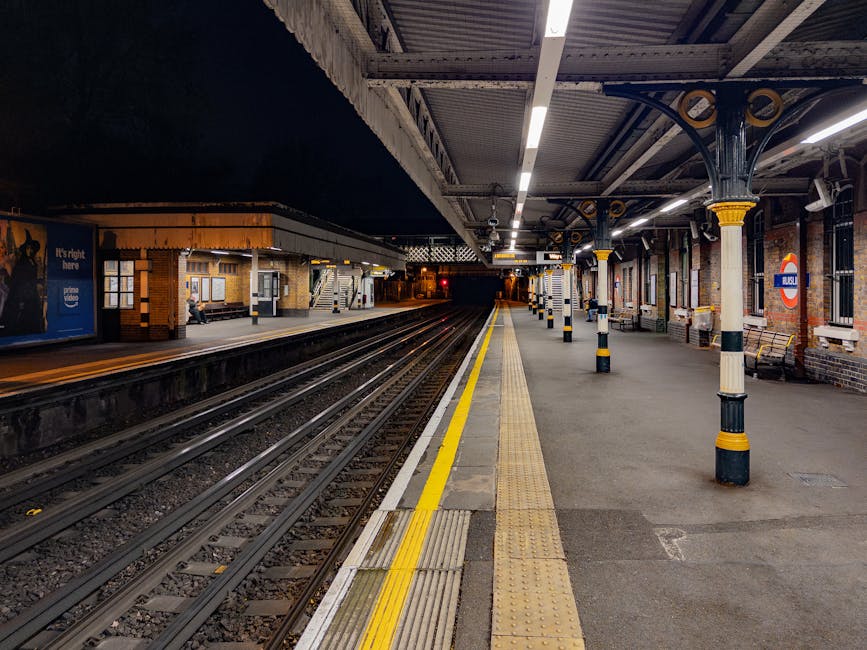
Ruislip is a historic settlement in the London Borough of Hillingdon, in west London, whose name is recorded in the Domesday Book. The area grew from a village setting around St Martin’s Church, with its medieval tower still standing as one of the oldest surviving features in the district. Ruislip Lido, created as a reservoir in the nineteenth century, later became a well-known leisure spot with woodland walks and a sandy beach area beside the water. The surrounding landscape includes extensive green space, especially within Ruislip Woods National Nature Reserve, which protects ancient woodland and supports a rich mix of trees, paths and wildlife. The district also has a strong transport identity, with Ruislip and Ruislip Manor stations linking the area into the wider Underground network. In architectural terms, the mix of older village remnants, suburban development and later housing estates gives the area a layered appearance rather than a single uniform character. Ruislip High Street and the nearby local centres provide shops, everyday services and a recognisable community focus, while nearby parks and open spaces make the area feel noticeably greener than many parts of inner London. That combination of history, transport links, woodland and neighbourhood life has helped Ruislip remain a distinct place with a clear local identity.
Packing, access and moving day preparation

Good preparation does not need to be complicated. A well-packed job is usually quicker to load, easier to secure and less exposed to damage. Boxes should be closed properly, fragile items should be kept separate where possible and loose pieces of furniture should be reduced to manageable parts if dismantling is practical. For mixed loads, grouping items by room or by destination can save time at both ends of the move.
Access matters too. If a property has narrow stairs, limited kerbside space or controlled parking, it is helpful to explain that before the moving day. A van move can still be suitable, but the plan may need to allow for a longer carry or a different parking arrangement. When the route from door to van is clear, loading can be more efficient and the job tends to feel calmer for everyone involved.
For people who want to hand over part of the work, our packing and unpacking services can sit alongside transport where required. That kind of support is especially useful for delicate household items or when a move is being completed in stages. If you are planning ahead, try to gather the key facts in one message so the quotation can cover the full scope without unnecessary back-and-forth.
Keeping the move organised from collection to delivery
Once a job is underway, the practical details matter more than marketing language. Items need to be placed in a sensible loading order, protected where necessary and unloaded with the destination layout in mind. That applies whether the move is domestic or commercial. The aim is to make transport feel methodical rather than rushed, with attention paid to the sequence of handling as well as the drive between addresses.
Some customers also want help moving items on to storage, another property or a site where deliveries must be handed over in a particular way. A flexible van service is often suitable when the load is not especially large but still requires more than a standard car. If you want to explore the broader removal options available on this website, the removals and removals van pages are useful reference points.
When several stops are involved, it helps to list them in order and note which items go where. That reduces the chance of confusion on the day and helps the quote account for the actual route. Clarity at the planning stage is often the simplest way to keep a move efficient.
Households, tenants and small business customers

Man and van work attracts a wide range of customers because it sits between courier delivery and a full removal crew. Tenants may use it for a flat move, homeowners for a room-to-room transfer, and business owners for stock, displays or equipment. The same service can handle quite different loads as long as the items are described accurately and the transport plan matches the weight, size and urgency of the job.
For some customers the main concern is cost control; for others it is handling, speed of loading or simply knowing that larger items will fit safely into the vehicle. A van-based move can often be tailored by choosing the right scale of vehicle and the right amount of help on the day. If you are ready to go ahead, the final step is simple: send your details for a quotation and we can work from the information you provide.
Whether you are moving a single item or several rooms’ worth of belongings, the most useful next step is to describe the job plainly. That lets us focus on the right vehicle, the right handling and the right schedule. If you are comparing options, ask for a quote and use the same information each time so the responses are genuinely comparable.